

MEET OUR HORSE MEAT
LEARN ABOUT THE GREEDY HORSE-KILLING TRADE FOR HUMAN & PET CONSUMPTION & HOW YOU CAN HELP HORSES ESCAPE THIS VICIOUS FATE DONATE“WASTAGE”: THE HORSERACING INDUSTRY’S WORD FOR LIVING, BREATHING HORSES (YES, REALLY!)
In 2019, I was shocked and horrified the first time I heard that the racing industry in Australia refers to some horses as ‘wastage.’
How can anyone justify calling a living being ‘waste’?
How easily language hides cruelty.
It’s a gut punch of truth — a glimpse into how normalized harm becomes when we stop questioning the words we use.
In 2025, I’m less shocked — and somehow even more horrified. Not because the horse racing industry has changed, but because I’ve come to expect the worst.
The more I learn, the less surprised I am — and the more deeply it disturbs me.
“WASTAGE”: WHEN THE HORSERACING INDUSTRY REDUCES LIVES TO PROFIT LOSSES
Think about that for a moment — a sentient being reduced to a word that belongs in a rubbish bin.
“Wastage” in horseracing refers to the horses who:
– Don’t win or earn enough money
– Are injured and can no longer race
– Never make it to the track at all
– Are retired early or …
– Discarded when no longer useful
Behind this cold term are living, feeling beings — animals who experience pain, fear, joy, and affection.
Calling horses “wastage” makes it easier to justify their suffering and….
Justify their slaughter if they are not generating a profit.
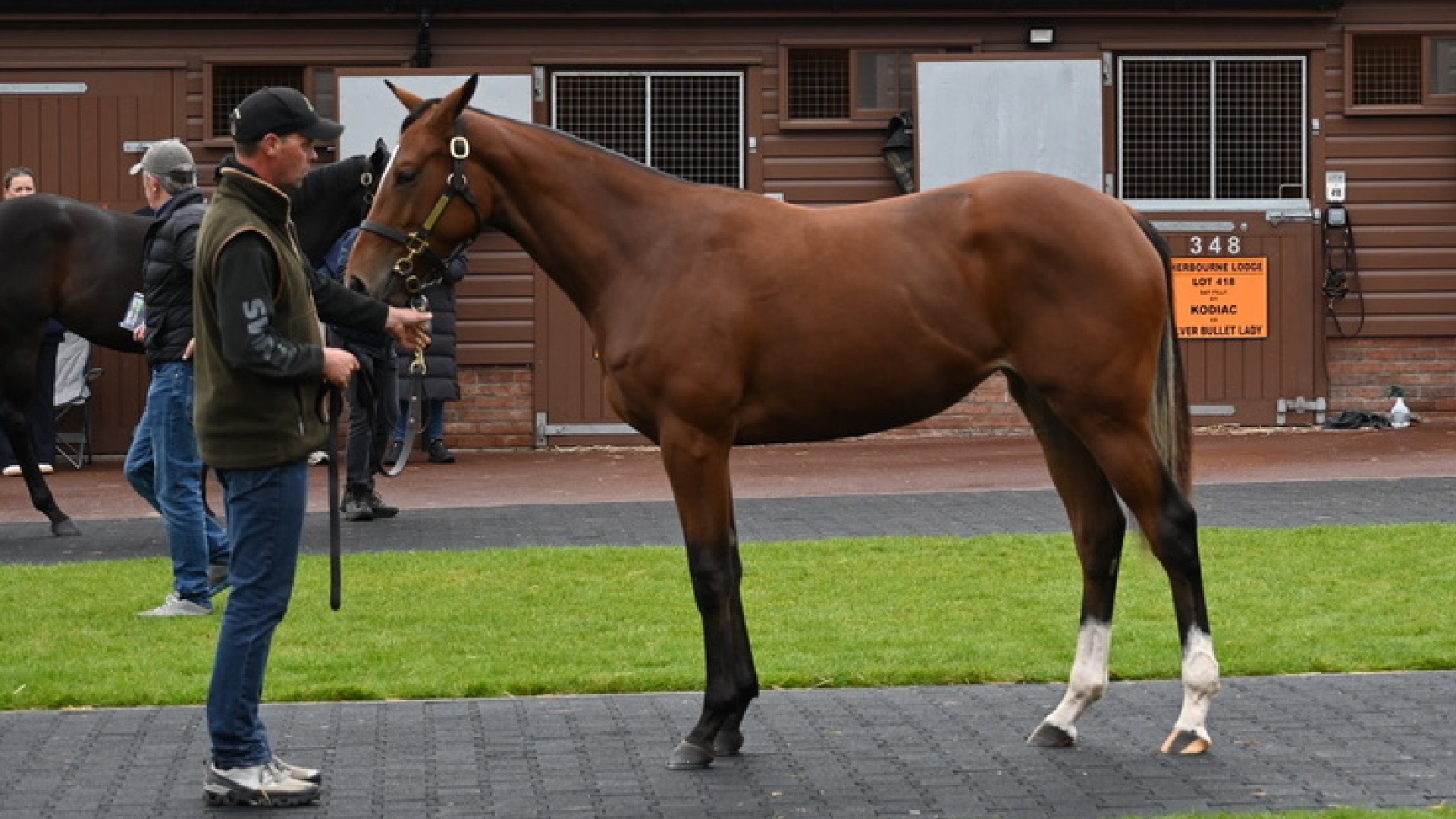
MANY OWNERS & TRAINERS INSTRUCT DOGGERS TO KILL HORSES,
THAT THEY ARE NOT TO BE REHOMED
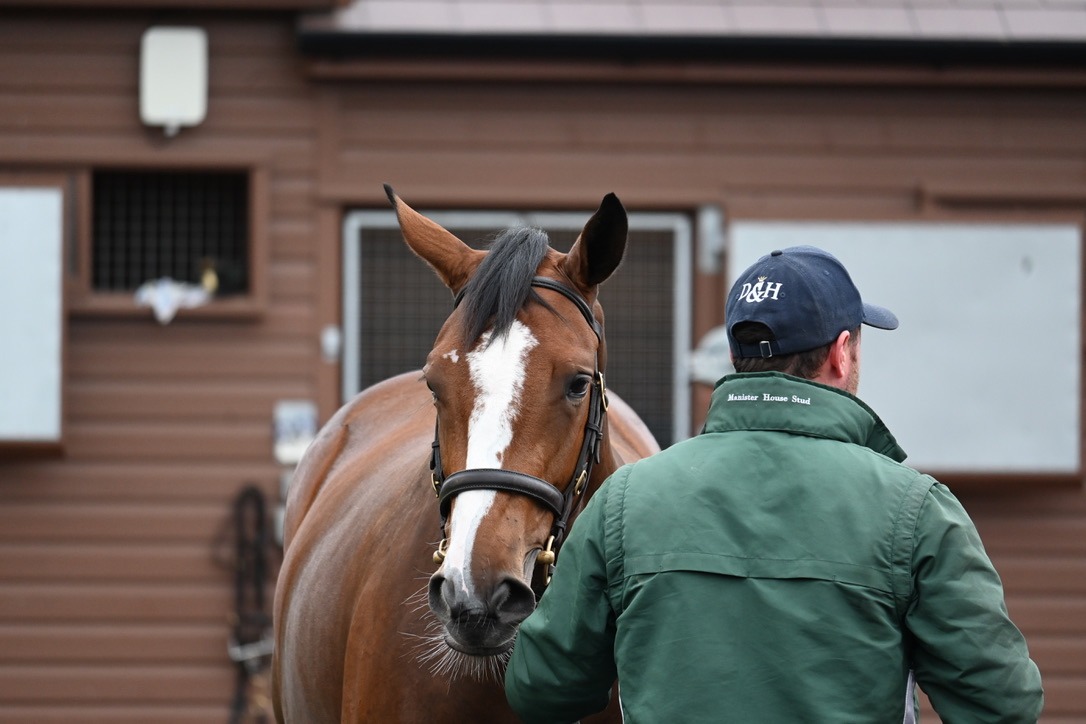
Once their racing days are over, many of these horses disappear.
Some end up at sale yards, others go directly to slaughterhouses AKA knackeries and abattoirs — and, disturbingly, many are sent to slaughter on the direct instruction of their owners and trainers.
In July 2018, on the ABC Four Corners program Off Track, Dr. Bidda Jones, Chief Scientist of RSPCA Australia, revealed that 8,500 horses exit the thoroughbred racing industry every year.
Many of them, Jones said, have nowhere to go.
We know that countless trainers send these horses straight to doggers — the slaughter buyers. Some even explicitly instruct the dogger to kill the horse and that they are not to be rehomed.
That is what “wastage” looks like in practice.
THE HORSE RACING INDUSTRY’S DISPOSABLE ATTITUDE TOWARDS HORSES

Thoroughbred horse trainer Gai Waterhouse, one of Australian racing’s most celebrated figures, made headlines in March 2023 when she brushed off horse deaths by saying, “Accidents happen in any sport.”
She went on to claim that “people have become so weak and prissy nowadays.”
Around that same time, two horses died on the track — Florescent Star (March 18, 2023) and Temple of Artemis (March 29, 2023).
Just weeks later, on April 24, 2023, a jockey also died.
Not to diminish the tragedy of jockey deaths, but there’s a difference:
Human athletes have a choice. Horses do not.
Horses don’t volunteer to train, compete, or risk their lives for someone’s bet slip.
They don’t choose to race through pain or exhaustion — they are made to.
And when their careers end or their bodies fail, they are branded as “wastage” and quietly discarded.
In April 2023, Waterhouse doubled down, calling racing critics “woke,” “on the dole,” and “ill-informed.”
She insisted the horse racing industry needs to “fight back” against activists rather than face the truth about how it treats horses.
If caring about horses — about the thousands bred, broken, and destroyed every year — makes us “weak and prissy,” then so be it.
We’ll proudly wear those labels if it means standing up for the voiceless.
THE NUMBERS BEHIND THE CRUELTY
Australia has more race tracks than any other country in the world, and the industry must fill race fields every day across eight states.
That relentless demand drives an endless breeding cycle — one that guarantees a constant flow of replacements for those discarded.
A 2010 study published in Sydney examined 146,046 thoroughbred horses over 10 years.
Although horses naturally live 25–30 years, the median racing career lasted just 14.7 months — about 4.9% of their lifespan, with an average of only 10 starts.
They are bred knowing that only a tiny fraction of their lives will be spent racing — and then they are expected to be off-loaded to the public or slaughtered when no longer profitable.
The study also found that the rate of attrition — the “wastage” — was directly linked to the animals’ well-being within the industry.
Horses have no agency. No choice.
THE BUSINESS MODEL – GAMBLING & EXPLOITATION
The horse racing industry survives on gambling — a dangerous, addictive product that destroys families and communities while exploiting animals for profit.
After winnings are paid out to punters, state governments and racing bodies make their profits from gamblers’ losses.
Gambling is not a side effect of racing — it is the business model.
41% of all regular racing gamblers (around 403,000 adults) experience gambling-related harm.
During the 2019/2020 racing season, there were 34,337 horses actively racing across eight states.
Each year, thousands vanish — labelled “wastage” and erased from public view.
These horses are the collateral damage of a system built on exploitation — of both people and animals.
THE RACING INDUSTRY NEEDS TO DO BETTER
Horses are not wastage.
Referring to them as such – and treating them as the same is a betrayal.
To end “wastage,” the racing industry must change the system — and the language that sustains it.
The racing industry must reject the term “wastage.”
Demand full traceability for every racehorse, from birth to end of life.
Expose and condemn trainers and owners who send horses to slaughter or forbid rehoming.
Support rehoming programs and sanctuaries.
Join us and help advocate for legislation that protects horses beyond their racing careers.
Because horses are not “wastage.”
They are living beings deserving of so much better.

HELP HORSES: CONTACT QUEENSLAND GOVERNMENT
THANK YOU FOR ADVOCATING FOR HORSESDear fellow horse advocates, Despite the clear recommendations from the Martin Inquiry, significant action has yet to be taken to improve the welfare of our horses. We must hold the Queensland government accountable for their...
MARTIN INQUIRY UPDATES
THE MARTIN INQUIRYWe have - of course - been looking for tangible results and improvements as a result of the Martin Inquiry into animal cruelty in the management of retired Thoroughbreds and Standardbred horses in Queensland. (Feb. 2020.) Sadly, there are precious...
IRELAND HORSE ABUSE & FRAUD
"HORSES DISCARDED & TREATED LIKE SCRAP"WED., June 2024: RTÉ Investigates recently went deep inside the equine industry to show what happens to horses after they leave the spotlight.RTÉ INVESTIGATES & EXPOSES ABUSE IN IRISH & EUROPEAN HORSE INDUSTRIESA new...
DEATH AT HORSE RACETRACKS
HORSE RACING VETS ARE BOTH DOCTOR & DRUGSTOREThe New York Times ran a series of articles on horse racing in 2012. Sadly little has changed since then. Today we're featuring a summary of one of those articles. The title: Racing Economics Collide With...
BLACK CAVIAR
THE EQUINE VERSION OF "HANDMAID'S TALE"The heartbreaking loss of the legendary racehorse Black Caviar, and later her foal, has cast a spotlight on the exploitation within the breeding industry. Black Caviar was euthanized shortly after giving birth to her 9th foal....
MAKYBE DIVA STAKES
BACK YARD BREEDERS OFTEN BLAMEDTime and again we hear those who support horse racing and those directly involved in the industry claim that backyard breeders are to blame for the large number of horses slaughtered annually in Australia. This claim is used not just...
RACEHORSE SUMMIT XI
1 HORSE DYING EVERY 2 DAYS ON TRACKS IN AUSTRALIA DOES NOT INCLUDE TRAINING OR STABLE DEATHSThe 11th Welfare and Safety of the Racehorse Summit took place in Lexington, Kentucky, USA and focused on how the racing industry in the United States has achieved a more than...
MOHM
CLARIFICATION FOR ANYONE WHO IS CONFUSEDMEET OUR HORSE MEAT AKA #mohm IS AGAINST ANY CRUELTY OR EXPLOITATION OF HORSESThat includes racing, rodeos, the slaughter of horses at knackeries and abattoirs, along with the cruel and needless shooting of wild horses....

GENDERED
GENDERED. WHAT DOES THAT MEAN?Well, it does NOT mean that all men think one thing and all women think the opposite. We need to be clear about this. Lots of men have been active in opposing aerial culling and ground shooting of wild horses. SO WHAT DOES IT MEAN IF AN...