
THIS PEER-REVIEWED STUDY SPEAKS VOLUMES
A peer-reviewed study published in the Equine Veterinary Journal found that racehorses often show measurable warning signs of injury multiple races before catastrophic breakdowns occur.
Researchers studying Thoroughbreds discovered that horses who later sustained musculoskeletal injuries frequently slowed down and shortened their stride beforehand — sometimes as many as six races before injury occurred.
You can read the study in the Equine Veterinary Journal here and the PubMed Abstract here.
That matters. Because for years, the racing industry has framed catastrophic breakdowns as unpredictable “accidents.”
But this research suggests many horses are showing signs long before they collapse on the track.
The study was right there. Not hidden. Not buried. AND NOT written by “radical activists.”And yet the racing industry still wants the public to believe these deaths come out of nowhere. They don’t.
4 TONNES
Researchers found that horses who later suffered serious injuries often showed measurable physical changes beforehand. The horses slowed down. Their stride shortened. Their bodies were already signaling distress.
That alone should stop people in their tracks.
Because if injury can be predicted, then catastrophic breakdowns are no longer just “tragic accidents.”
They become foreseeable consequences.
The study explained that most racing injuries are not sudden events. They are the result of accumulating bone damage over time.
Every gallop at racing speed places enormous strain on a horse’s body.
Researchers noted that loads of up to four tonnes can pass through the fetlock joint with every stride.
Yes, really. Four tonnes.
On legs the industry expects to perform at extreme speeds, over and over again, while carrying human beings for entertainment and gambling.
Bone can only take so much before it starts to fail.
DO HORSES REALLY “SUDDENLY: BREAK DOWN?
The horrifying part?
Researchers say that by the time a horse visibly breaks down or shows lameness, the damage threshold may already have been reached.
In other words, the catastrophic collapse people see on race day may be the final chapter of an injury that has been developing quietly for weeks or months.
THAT SHOULD HORRIFY PEOPLE
Because it means the public breakdown — the collapse caught on camera, the screens hastily blocked by outriders, the horse ambulance rolling onto the track — may simply be the final stage of an injury that has been developing quietly for weeks or months.
Meanwhile, the industry already collects enormous amounts of biometric data. Speed. Stride length. Stride frequency.
Researchers found that even small changes in those measurements were associated with increased injury risk.
A “SPORT” WHERE DEATH IS EASILY ACCEPTED
In plain English?
The horses’ bodies are waving red flags before they shatter.
And still they are forced to race.
That is the part the industry never seems eager to discuss when they start talking about “equine welfare.”
Because welfare without action is just branding.
If racing authorities know these warning signs exist — and the research says they do — then what are they doing with that information?
Are horses being scratched when their data changes? Are they being rested? Retired? Protected?
Or are they simply being run until they can’t anymore?
HORSE RACING SAYS IT CARES – THE SCIENCE SAYS OTHERWISE
Every time a horse dies on the track, the industry responds the same way: carefully worded condolences, promises of review, polished statements about safety and welfare.
But the peer-reviewed research raises a deeply uncomfortable question:
What if many of these horses were already showing signs that something was wrong?
Human athletes can speak up. They can say they’re injured, exhausted, or in pain. Horses cannot.
All they can do is slow down. Shorten their stride. Move differently.
And according to the science, many of them already are.
The question is whether anyone in racing is truly listening — or whether profit simply speaks louder.
IF YOU CARE ABOUT HORSES – SPEAK UP
Help us raise awareness.
Boycott horse racing – including saying #nuptothecup.
Please support our work if you can.
What do YOU think?
Join the conversation on our Facebook page at: https://www.facebook.com/@NoAussieHorseSlaughter
#MOHM THREATENED?
We’ve been threatened by those in the horse racing industry and those who benefit from horse slaughter more times than we can count.
But we are not going away.
We are going to persist until horse slaughter no longer exists for any purpose within Australia -- and until the horse racing industry makes drastic changes.
We are going to continue our hands-on work to offer lifelong sanctuary to as many horses as possible. We generally have 20 at just one of our locations - at any given time.
We have the acreage to take on more horses as financial support allows.

BRUMBY SPECIFIC WEBSITE
#MOHM HAS A BRUMBY SPECIFIC WEBSITE TOOAs you know we are dedicated to banning the slaughter of horses in Australia for any purpose and that includes wild horses. Please join us on our "sister" website dedicated to banning the slaughter of wild horses AKA Brumbies for...
ADRIAN TALBOT GUILTY & FINED
HORSE MEAT, BRUMBIES, GREYHOUND RACING & THE QUESTIONS THAT REMAINIn January, we published Talbot Brothers: When Racing Worlds Collide — Brumbies, Racehorses & Greyhounds Suffer, examining the disturbing connections between horse rehoming, the horse-meat trade...
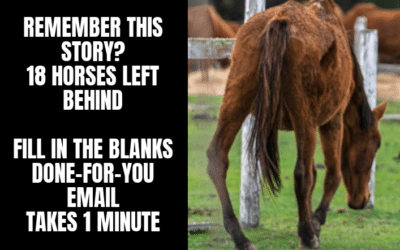
MAXINE FRASER MOUNT ELIZA VICTORIA
DEMAND RSPCA CHARGE MAXINE FRASERPHOTO CREDIT CAROL AUGUSTINUSWe have been following the Maxine Fraser case for years. Our reporting in July 2025 documented the long history of concerns surrounding Fraser's Mount Eliza property, including Racing Victoria inspections...

Join us on social media and become a keyboard warrior.