

AS YOU WATCH THE VIDEO & READ THE FOLLOWING ACCOUNT
We think it is important to keep the following in mind…
Horses are prey animals, meaning in the wild, showing pain, weakness, or injury can make an animal vulnerable to predators, so horses instinctively hide discomfort for as long as possible.
That instinct has not disappeared simply because humans domesticated them. A horse can be experiencing significant pain or developing injury while still appearing willing to run, train, or compete.
Only in more recent years has research begun to recognise the subtle behavioural and physical signs horses show when something is wrong — changes in stride, posture, facial expression, movement, or behaviour that can be missed or dismissed, especially in high-performance environments like racing.
SHOULD GOLD DANCER HAVE BEEN IN THE RACE?
Gold Dancer was an Irish-trained racehorse trained by Willie Mullins, one of the biggest names in jump racing.
On April 10, 2026, at Aintree Racecourse, Gold Dancer won the Mildmay Novices’ Chase. But the celebration quickly turned to shock. During the race, he suffered a catastrophic injury and was euthanised shortly afterwards.
Many viewers were left asking the same question: how was he able to finish the race while so badly injured? Again, see our opening paragraph about ‘prey’ animals.

2026 GRAND NATIONAL STATS
The race that cost Gold Dancer his life took place during the Aintree Festival, the same three-day meeting that includes the Grand National.
Gold Dancer did not run in the Grand National itself, BUT because the races are part of the same festival, the events became linked in public discussion.
The Grand National also drew criticism this year after:
34 horses started
20 horses failed to finish
———-
14 horses did NOT finish the race.
For many people, those numbers added to growing concerns about the physical demands placed on horses in jump racing.
PUBLIC OUTCRY
Animal welfare advocates questioned how such a severe injury could happen — and whether it should have been recognised sooner.
Meanwhile…
Others within racing argued that, while tragic, catastrophic injuries are an acknowledged risk in the sport.
There has also been discussion about the closing stages of the race, including whether the jockey realised something was wrong and whether anything could have been done differently.
Those questions remain disputed, but they have renewed broader concerns about how injuries are identified during high-speed racing.
WHY DO THESE INJURIES HAPPEN?
Catastrophic injuries in jump racing are rarely caused by one single moment. More often, they are linked to cumulative stress on the body over time. Tiny areas of bone damage — known as microfractures — can develop gradually through training and racing.
When horses jump at speed, especially over large fences, the forces on their bodies are enormous. Landing places intense strain on the forelimbs, spine, and hindquarters. If a horse lands awkwardly or is already carrying underlying damage, that stress can become too much, leading to sudden structural failure.
One of the biggest concerns is that these underlying issues are not always visible during routine veterinary checks (with the key word being ‘routine’) BUT on the other hand, research is proving that the signs are there.
Is the science being ignored? A horse may appear completely sound before a race, yet still be at serious risk once racing conditions push the body to his or hers limit – if underlying conditions that are subtle to detect but there – according to research – are ignored.
WHEN DEATH BECOMES “PART OF THE SPORT”
Gold Dancer’s death cuts through the polished image racing likes to present. Beneath the pageantry, sponsorships, and celebration is a system that depends on horses taking enormous physical risks for human entertainment and profit.
The industry often responds to tragedies like this with promises of reform, improved safety measures, and renewed commitments to welfare. Yet catastrophic injuries continue to happen — often enough that deaths are routinely described as “part of the sport.”
But in what other so-called sport would death be accepted as an expected outcome?
If human athletes were dying with this kind of regularity, there would be outrage, investigations, and demands for sweeping change.
Instead, horse racing continues to defend these losses as unfortunate but inevitable — the price of keeping the spectacle and traditions alive.
And calling it “sport” ignores one uncomfortable fact: the athletes with the most at stake, the horses, never consented to play.
IF YOU CARE ABOUT HORSES – SPEAK UP
Help us raise awareness.
Boycott horse racing – including saying #nuptothecup.
Please support our work if you can.
What do YOU think?
Join the conversation on our Facebook page at: https://www.facebook.com/@NoAussieHorseSlaughter
#MOHM THREATENED?
We’ve been threatened by those in the horse racing industry and those who benefit from horse slaughter more times than we can count.
But we are not going away.
We are going to persist until horse slaughter no longer exists for any purpose within Australia -- and until the horse racing industry makes drastic changes.
We are going to continue our hands-on work to offer lifelong sanctuary to as many horses as possible. We generally have 20 at just one of our locations - at any given time.
We have the acreage to take on more horses as financial support allows.

BRUMBY SPECIFIC WEBSITE
#MOHM HAS A BRUMBY SPECIFIC WEBSITE TOOAs you know we are dedicated to banning the slaughter of horses in Australia for any purpose and that includes wild horses. Please join us on our "sister" website dedicated to banning the slaughter of wild horses AKA Brumbies for...
ADRIAN TALBOT GUILTY & FINED
HORSE MEAT, BRUMBIES, GREYHOUND RACING & THE QUESTIONS THAT REMAINIn January, we published Talbot Brothers: When Racing Worlds Collide — Brumbies, Racehorses & Greyhounds Suffer, examining the disturbing connections between horse rehoming, the horse-meat trade...
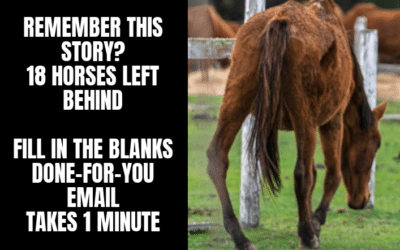
MAXINE FRASER MOUNT ELIZA VICTORIA
DEMAND RSPCA CHARGE MAXINE FRASERPHOTO CREDIT CAROL AUGUSTINUSWe have been following the Maxine Fraser case for years. Our reporting in July 2025 documented the long history of concerns surrounding Fraser's Mount Eliza property, including Racing Victoria inspections...

Join us on social media and become a keyboard warrior.