
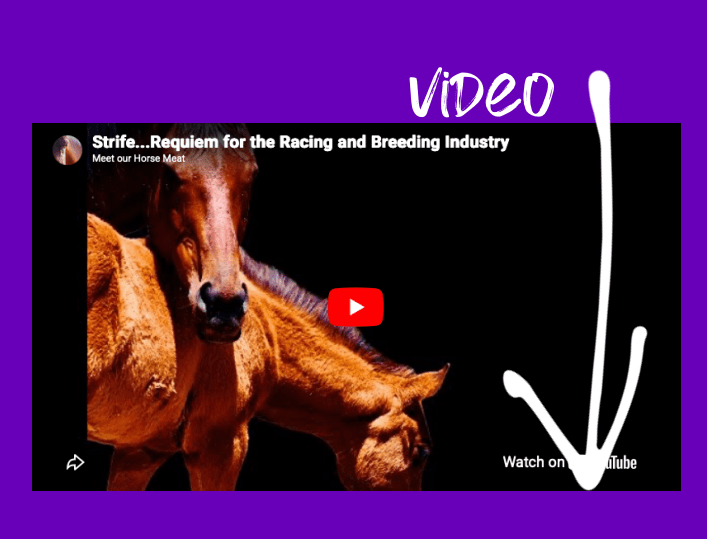
IS THE RACING INDUSTRY LOSING ITS SOCIAL LICENSE
Speaking on the 2024 podcast On the Coalface, British breeding industry figure Philip Newton delivered a strikingly candid assessment of the challenges facing horse racing in the United Kingdom.
Newton warned of declining breeder numbers, shrinking foal crops, falling wagering turnover, and an ageing customer base increasingly disconnected from younger generations. At one point, he described the situation as “a train heading down the tracks at us.”
His comments were specifically about the UK racing and breeding industry.
But there are clear parallels to horse racing in Australia.

While the structure of Australian racing differs from the UK in some respects, many of the broader pressures are familiar: shrinking breeder participation, industry consolidation, changing public attitudes, and growing concern about long-term sustainability.
It is important to note, that these concerns were NOT being raised by animal advocates.
They were coming from within the racing industry itself.
Newton acknowledged that bookmakers and gambling companies were increasingly focused on sports (other than horse racing) and products attracting younger audiences, while racing’s core betting demographic remained overwhelmingly older.
That matters because racing depends on public participation — through betting, attendance, sponsorship, ownership, and breeding.
Without that participation, the economic model underneath the industry begins to weaken.
For years, animal advocates have worked hard to educate the public and now it appears that younger generations increasingly view horse racing through a welfare lens rather than as entertainment.
The growing challenge for racing may be that younger generations are increasingly making their own conclusions about the sport.
Fatal breakdowns, whip use, slaughter, and growing awareness of the physical pressures placed on racehorses have all contributed to changing public attitudes — particularly among younger demographics who are more likely to view racing through a welfare lens rather than as entertainment.
That shift in public sentiment is precisely what worries sections of the racing industry — and again, it is what anti-racing advocates have worked for over many years.
Across the racing world, conferences are now heavily focused on how to attract younger audiences back to the sport. The language of “sustainability” has also become increasingly common — not just environmentally, but financially and socially.
For those advocating against racing, that growing anxiety inside the industry is significant.
It suggests welfare concerns are no longer confined to activist campaigns.
Welfare concerns are beginning to affect participation, public perception, gambling behaviour, and confidence in the long-term future of the sport itself.
The Australian breeding industry has already undergone major consolidation, with smaller breeders steadily disappearing while large commercial operations dominate increasing shares of the market. Racing authorities are also increasingly discussing long-term funding pressures and the future sustainability of the sport.
Against that backdrop, debates such as the proposed sale of Rosehill Gardens Racecourse raise broader questions about racing’s future financial security.
And as economic pressure grows, so too can pressure on the horses themselves.
The commercial model of Thoroughbred racing relies heavily on producing fast, precocious young horses capable of racing at two years old.
If foal crops continue to shrink while financial pressure intensifies, the incentive to maximise commercial return from every horse is unlikely to disappear.
The question facing racing may no longer be whether it can improve its image.
It may be whether the public — particularly younger generations — is beginning to withdraw its social license altogether.
IF YOU CARE ABOUT HORSES – SPEAK UP
Help us raise awareness.
Boycott horse racing – including saying #nuptothecup.
Please support our work if you can.
What do YOU think?
Join the conversation on our Facebook page at: https://www.facebook.com/@NoAussieHorseSlaughter
#MOHM THREATENED?
We’ve been threatened by those in the horse racing industry and those who benefit from horse slaughter more times than we can count.
But we are not going away.
We are going to persist until horse slaughter no longer exists for any purpose within Australia -- and until the horse racing industry makes drastic changes.
We are going to continue our hands-on work to offer lifelong sanctuary to as many horses as possible. We generally have 20 at just one of our locations - at any given time.
We have the acreage to take on more horses as financial support allows.

BRUMBY SPECIFIC WEBSITE
#MOHM HAS A BRUMBY SPECIFIC WEBSITE TOOAs you know we are dedicated to banning the slaughter of horses in Australia for any purpose and that includes wild horses. Please join us on our "sister" website dedicated to banning the slaughter of wild horses AKA Brumbies for...
ADRIAN TALBOT GUILTY & FINED
HORSE MEAT, BRUMBIES, GREYHOUND RACING & THE QUESTIONS THAT REMAINIn January, we published Talbot Brothers: When Racing Worlds Collide — Brumbies, Racehorses & Greyhounds Suffer, examining the disturbing connections between horse rehoming, the horse-meat trade...
MAXINE FRASER MOUNT ELIZA VICTORIA
DEMAND RSPCA CHARGE MAXINE FRASERPHOTO CREDIT CAROL AUGUSTINUSWe have been following the Maxine Fraser case for years. Our reporting in July 2025 documented the long history of concerns surrounding Fraser's Mount Eliza property, including Racing Victoria inspections...

Join us on social media and become a keyboard warrior.